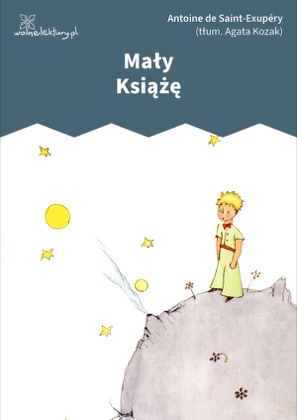
A pilot stranded in the desert meets a small prince who has traveled from a distant asteroid. As the prince describes the people and creatures he has encountered, a simple-looking tale becomes a tender reflection on friendship, responsibility and the things adults often fail to see.
Short encounters and repeated dialogue help, while hypotheticals and figurative meaning add depth.
Following a hurried White Rabbit, Alice tumbles into a world where size, language and ordinary rules refuse to stay the same. Encounters with a grinning cat, an eccentric tea party and a demanding queen send her through a playful adventure full of riddles, absurdity and bewildering surprises.
Concrete scenes and modern phrasing help, while wordplay and unusual logic add difficulty.
After losing her parents, lonely Mary Lennox is sent to a gloomy Yorkshire manor full of locked doors and unanswered questions. Discovering an abandoned garden and forming unexpected friendships gives her a new purpose, as the children begin to change both the neglected place and themselves.
Concrete garden and family scenes support reading, with period words and longer clauses.
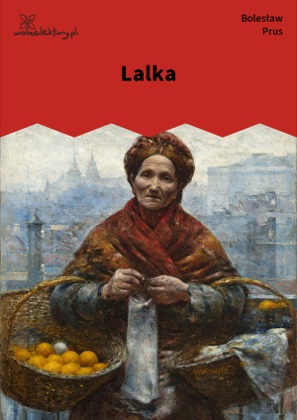
Successful Warsaw merchant Stanisław Wokulski hopes wealth and determination will win the love of the aristocratic Izabela Łęcka. His pursuit carries him between shops, drawing rooms and struggling neighborhoods, where romantic ideals collide with class prejudice and competing visions of Poland's future.
Concrete social scenes alternate with extended psychological description and period vocabulary.
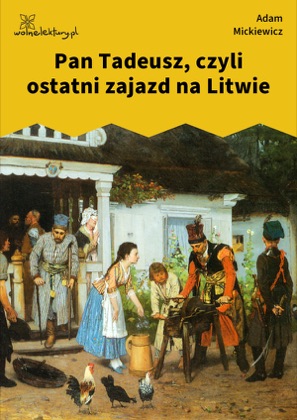
Young Tadeusz returns to his family's Lithuanian estate, where romances and an old dispute between noble households threaten the peace. Against the approaching Napoleonic campaign, this epic poem brings together lively quarrels, buried memories and hopes for a homeland free from foreign rule.
Rhymed narration, older social forms, and historical allusions require broad literary vocabulary.
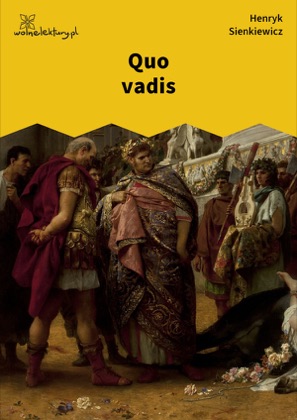
In Nero's Rome, the soldier Marcus Vinicius falls in love with Lygia, a young Christian whose beliefs challenge his view of the world. Their relationship unfolds amid imperial excess and growing persecution, bringing private desire into conflict with faith, conscience and the cruelty of power.
Clear scenes mix historical and religious vocabulary with expressive narration.
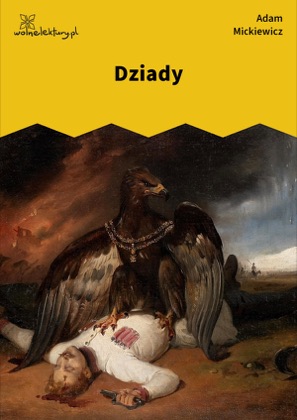
Rituals for the dead, a lover's anguish and the imprisonment of young patriots connect this cycle of poetic dramas. Spirits and visions enter everyday life as its characters wrestle with suffering, moral responsibility and the meaning of Poland's struggle under foreign domination.
Symbolic dramatic verse, inversion, and historical or religious allusions require close interpretation.
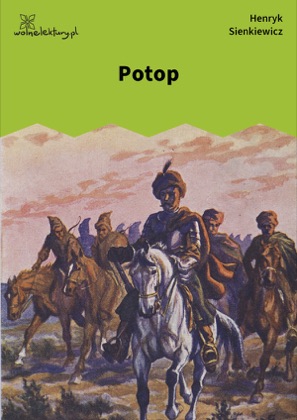
During Sweden's invasion of the Polish-Lithuanian Commonwealth, the reckless soldier Andrzej Kmicic finds his loyalties and reputation dangerously compromised. His efforts to regain honor and the trust of his beloved Oleńka carry him through shifting alliances, daring exploits and a country fighting for survival.
Military terminology, archaic social forms, and extensive historical narration require support.
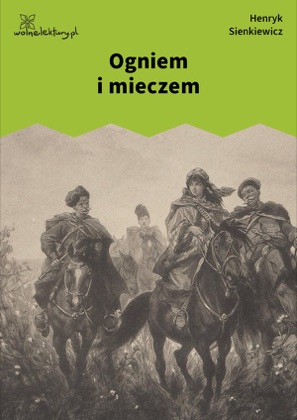
As a Cossack uprising throws the Polish-Lithuanian Commonwealth's eastern lands into war, officer Jan Skrzetuski falls in love with Helena Kurcewiczówna. Rivalry with the formidable Bohun entangles their future with raids, sieges and shifting loyalties in a sweeping adventure about love and duty.
Archaic and regionally marked dialogue mixes Latin and historical military vocabulary.
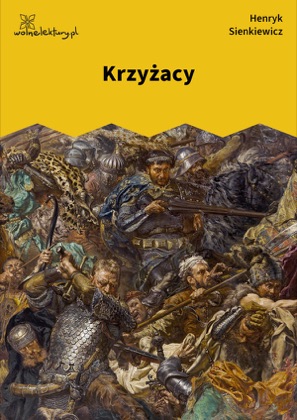
The young knight Zbyszko of Bogdaniec seeks glory and the love of Danusia as tensions rise between Poland and the Teutonic Order. Personal vows and family suffering draw him into a wider conflict where courtly ideals, revenge and political ambition lead toward war.
Concrete action helps, while medieval social terms and older expressions add difficulty.
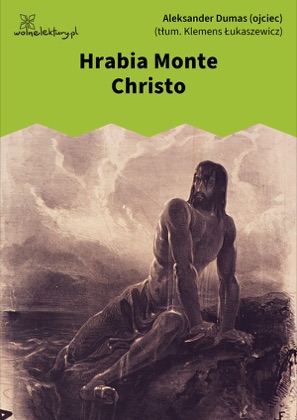
Betrayed by men he trusted, the young sailor Edmond Dantès is imprisoned just as a promising future seems within reach. Years later, a mysterious and wealthy count enters their lives, setting in motion an elaborate reckoning that tests the boundaries between justice, revenge and mercy.
Clear plot events mix formal narration, older social terms, and extended sentences.
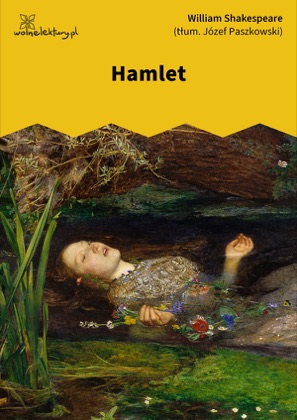
After his father's ghost accuses the new king of murder, Prince Hamlet struggles to decide how to uncover the truth and take revenge. Surveillance, staged performances and divided loyalties turn the Danish court into a dangerous place where uncertainty can be as destructive as action.
Archaic dramatic language, dense metaphors, and rhetorical speech require close reading.
Sign in to add this title and keep your place.
Source and license
A level is a starting point.
These are approximate editorial reading guides, not certified CEFR assessments or a test of your proficiency. A classic’s range reflects this edition’s language; a short story’s label is its writing target. Familiarity with the subject and the help you use can change how a text feels.
You can read immediately once a title is in your Library. Translation, vocabulary checks, and chapter preparation are optional. Sign in to add a title and keep your place; account capacity and beta availability apply.