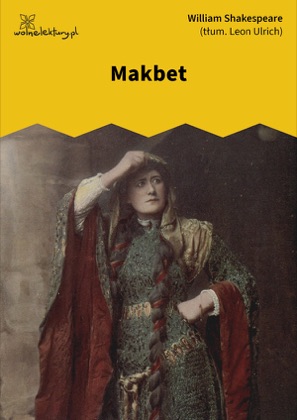
Three witches predict that Macbeth will become king, awakening ambitions that his wife urges him to pursue. As the Scottish warrior tries to turn prophecy into reality and hold on to power, suspicion and guilt draw him into an increasingly violent chain of choices.
Verse dialogue, archaic titles, and figurative speech require attention to compressed meanings.
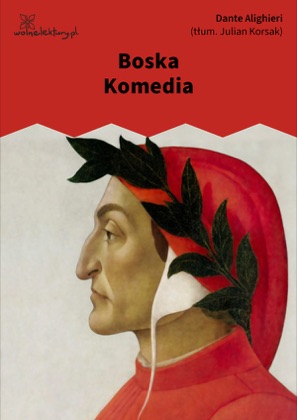
Lost in a dark wood, Dante begins a journey through Hell, Purgatory and Paradise with guides who help him understand what he sees. Encounters with the dead turn this epic poem into an exploration of justice, human weakness, love and the hope of spiritual renewal.
Poetic inversion, abstract imagery, and theological allusions require contextual support.
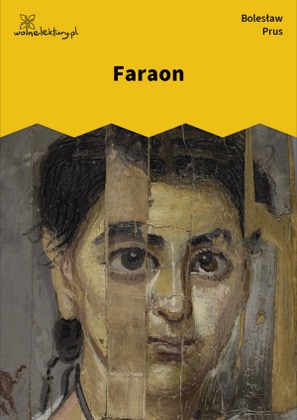
The young heir Ramses hopes to restore Egypt's strength, but soon discovers that its rulers depend on powerful priests, strained finances and competing interests. His struggle to understand and control the state unfolds through intrigue, love and political maneuvering in a richly imagined ancient kingdom.
Direct dialogue and clear conflicts mix political, religious, and period-specific vocabulary.
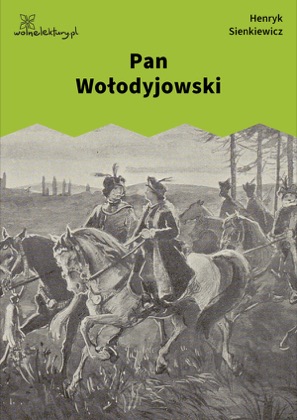
After a personal loss, the celebrated swordsman Michał Wołodyjowski is drawn back into friendship, love and military service. Life with the spirited Basia unfolds along the Commonwealth's vulnerable frontier, where raids and an approaching Ottoman war threaten the happiness they hope to build.
Clear dramatic scenes use older conversational forms and military vocabulary.
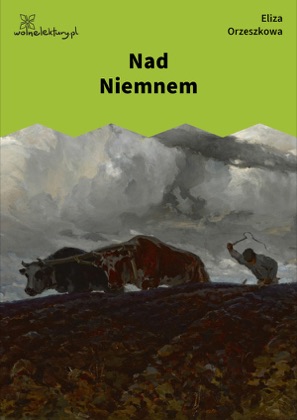
Among the estates and villages beside the Niemen River, Justyna Orzelska begins to question the future expected of a young woman in her social circle. Her growing attachment to Jan Bohatyrowicz brings family divisions, the value of work and memories of the 1863 uprising into focus.
Extended nature descriptions and historical reflection require a broad literary vocabulary.
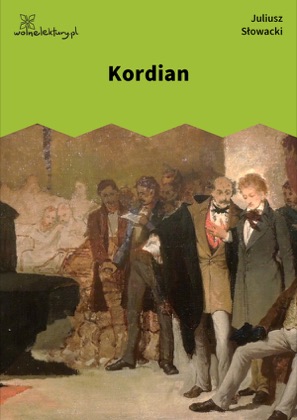
A disillusioned young man travels across Europe in search of a purpose that love and grand ideas have failed to provide. Returning to a Poland under Russian rule, Kordian commits himself to a daring political act, only to confront the distance between heroic resolve and human fear.
Symbolic dramatic verse and historical allusions demand close interpretation.
In an imagined ninth-century Slavic land, a ruler's cruelty provokes resistance among communities protective of their customs and freedom. Families and travelers are drawn into conflict, romance and intrigue as ancient legends become a story about the uncertain beginnings of Poland.
Clear historical action mixes older forms, unfamiliar social terms, and extended narration.
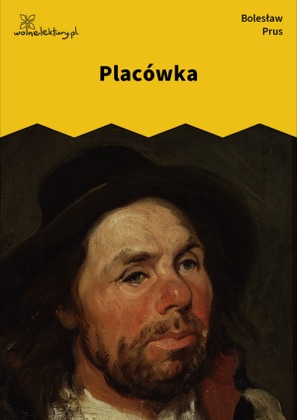
Farmer Józef Ślimak clings to his small holding as land sales and the arrival of German settlers transform the countryside around him. Pressure from wealthier neighbors and hardships within his family turn a quiet rural life into a struggle over livelihood, belonging and the meaning of home.
Clear rural events mix dialect, colloquial expressions, and period-specific vocabulary.
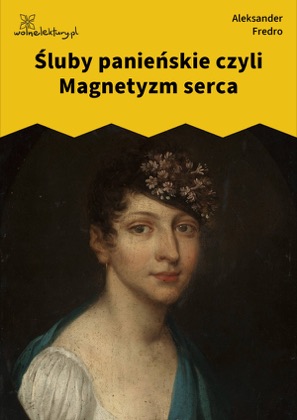
Aniela and Klara vow never to marry, convinced that love brings women more sorrow than happiness. Their suitors respond with persuasion, wounded feelings and an inventive scheme, setting off a comedy of courtship in which everyone must reconsider how well they understand their own heart.
Verse inversion, older colloquial expressions, and indirect comic meaning require close attention.
Sign in to add this title and keep your place.
Source and license
A level is a starting point.
These are approximate editorial reading guides, not certified CEFR assessments or a test of your proficiency. A classic’s range reflects this edition’s language; a short story’s label is its writing target. Familiarity with the subject and the help you use can change how a text feels.
You can read immediately once a title is in your Library. Translation, vocabulary checks, and chapter preparation are optional. Sign in to add a title and keep your place; account capacity and beta availability apply.