These short tales blend Peruvian history, popular legend and lively storytelling, especially around colonial life. Viceroys, priests, lovers and everyday townspeople appear in stories where humour and anecdote illuminate the customs and conflicts of the past.
Historical references and idiomatic satire accompany formal, extended sentences.
A powerful magistrate tries to pursue the beautiful wife of a village miller. His scheme unleashes a comic sequence of misunderstandings, jealousy and exchanged clothing, turning a quiet mill into the centre of a contest over marriage and authority.
Lively dialogue helps orientation, while older social terms and idiomatic comic misunderstanding add difficulty.
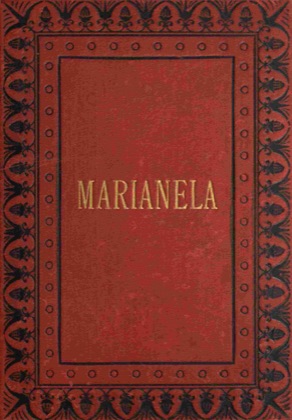
Marianela, a poor orphan, guides the blind Pablo through the countryside and finds comfort in his affection. When a doctor offers the possibility of restoring his sight, she fears that the bond between them depends on a world that is about to change.
Reflective dialogue and metaphors mix with medical and descriptive vocabulary.
Convinced that he is a knight, Don Quixote sets out across Spain with the practical Sancho Panza as his squire. His attempts to right wrongs transform everyday encounters into extraordinary adventures, testing the boundary between imagination and reality.
Archaic forms, extended reported speech, and indirect humor demand close reading.
A poor boy named Lázaro recounts his service to a succession of masters, beginning with a cunning blind beggar. Hunger and hard experience teach him how to survive, while his story exposes the gap between public respectability and private behaviour.
Early Spanish forms and picaresque irony require familiarity with archaic language.
Supernatural legends and lyrical poems explore love, longing and the mysteries of the imagination. Haunted places, impossible desires and encounters with the uncanny sit alongside intimate reflections on inspiration, absence and the difficulty of expressing feeling.
Figurative descriptions and historical vocabulary make these legends and poems more demanding.
The people of Fuente Ovejuna endure the abuses of a powerful military commander until his treatment of the villagers pushes them towards resistance. This drama explores collective loyalty, authority and justice as a community faces the consequences of standing together.
Golden Age verse combines compressed syntax, historical terms, and rapid speaker changes.
Ana Ozores lives in a provincial Spanish town where her unhappy marriage leaves her longing for emotional and spiritual fulfilment. A priest and a fashionable admirer compete for influence over her, while gossip and ambition turn private struggles into public scrutiny.
Indirect motives, literary allusions, and elaborate psychological narration increase the challenge.
Twelve tales follow lovers, travellers, tricksters and outsiders through an inventive variety of adventures. Disguises, mistaken identities and surprising conversations open questions about trust, freedom and reputation, combining comic storytelling with moments of danger and moral uncertainty.
Golden Age wording and extended reported speech make these narratives demanding.
Sign in to add this title and keep your place.
Source and license
A level is a starting point.
These are approximate editorial reading guides, not certified CEFR assessments or a test of your proficiency. A classic’s range reflects this edition’s language; a short story’s label is its writing target. Familiarity with the subject and the help you use can change how a text feels.
You can read immediately once a title is in your Library. Translation, vocabulary checks, and chapter preparation are optional. Sign in to add a title and keep your place; account capacity and beta availability apply.