Dr Watson recounts twelve cases solved by Sherlock Holmes, from a royal scandal to puzzling disappearances and suspicious deaths. Holmes follows small clues through Victorian London and beyond, uncovering the human motives hidden behind apparently impossible mysteries.
Clearly sequenced investigations mix detailed observation, formal dialogue, and less familiar descriptive terms.
Elizabeth Bennet meets the wealthy, reserved Mr Darcy and quickly decides she dislikes him. As her sisters navigate courtship and family expectations, misunderstandings and wounded pride force both Elizabeth and Darcy to reconsider their judgments.
Polite dialogue is interwoven with long sentences, social irony, and implied judgments.
Victor Frankenstein creates a living being, then recoils from the result of his experiment. Abandoned and desperate for companionship, the creature seeks its maker, drawing them both into a conflict over responsibility, rejection and the consequences of unchecked ambition.
Formal vocabulary, rhetorical questions, and extended moral reflection accompany the narrative action.
Jonathan Harker travels to Transylvania to assist Count Dracula with a property purchase and discovers that his host hides a terrifying secret. When the danger reaches England, a small group must piece together the truth and protect those they love.
Letters and conversations anchor the story, with formal diction and layered conditional sentences.
On Christmas Eve, the miserly Ebenezer Scrooge receives a warning from his dead business partner and visits from three spirits. Their journeys through his past, present and possible future challenge the way he treats the people around him.
A short, clear plot is mixed with Victorian idioms, descriptive detail, and figurative humor.
After seeing his portrait, the beautiful young Dorian Gray wishes that the painting could age in his place. Under the influence of a cynical friend, he pursues pleasure while the portrait becomes a disturbing record of his choices.
Tom Sawyer turns life in a small town beside the Mississippi into a succession of schemes, games and adventures with his friend Huckleberry Finn. Their search for excitement takes a dangerous turn when they witness a crime and encounter secrets beyond childhood play.
Childhood action is concrete, but colloquial speech, regional expressions, and descriptive narration need support.
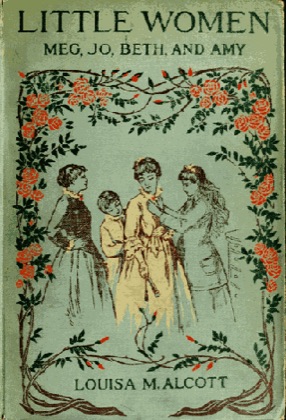
The four March sisters grow up in a household shaped by affection, limited money and their father's absence during the American Civil War. Through everyday adventures, ambitions and disappointments, Meg, Jo, Beth and Amy discover the responsibilities of adulthood.
Domestic conversations provide context, with idiomatic expressions and more elaborate narration between them.
Orphaned Jane Eyre survives an unhappy childhood and becomes a governess at the mysterious Thornfield Hall. Her growing attachment to its master, Mr Rochester, tests her independence and principles as she encounters secrets that threaten the life she hopes to build.
Personal narration alternates with long descriptions, older vocabulary, and nuanced feelings.
Romeo and Juliet fall in love despite the bitter feud between their families in Verona. Their secret relationship brings hope of reconciliation, but violence, divided loyalties and hurried decisions place their future in danger.
Young sailor Edmond Dantès is imprisoned after being betrayed by men who envy his happiness and prospects. A chance of escape and an extraordinary fortune allow him to return under a new identity, determined to confront those responsible.
Conversations sustain the plot, while formal social language and extended narrative descriptions add difficulty.
Ishmael joins the crew of the whaling ship Pequod, whose captain is consumed by his pursuit of the white whale Moby Dick. Their voyage becomes an increasingly dangerous struggle between Ahab's obsession and the lives of the men who follow him.
Nautical terms, biblical diction, elaborate imagery, and shifts into reflective prose demand close reading.
Sign in to add this title and keep your place.
Source and license
A level is a starting point.
These are approximate editorial reading guides, not certified CEFR assessments or a test of your proficiency. A classic’s range reflects this edition’s language; a short story’s label is its writing target. Familiarity with the subject and the help you use can change how a text feels.
You can read immediately once a title is in your Library. Translation, vocabulary checks, and chapter preparation are optional. Sign in to add a title and keep your place; account capacity and beta availability apply.