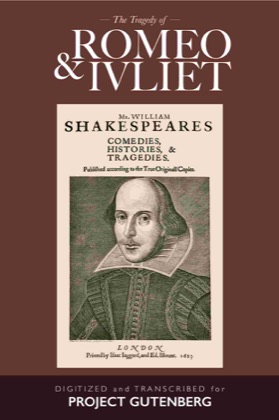
Romeo and Juliet fall in love despite the bitter feud between their families in Verona. Their secret relationship brings hope of reconciliation, but violence, divided loyalties and hurried decisions place their future in danger.
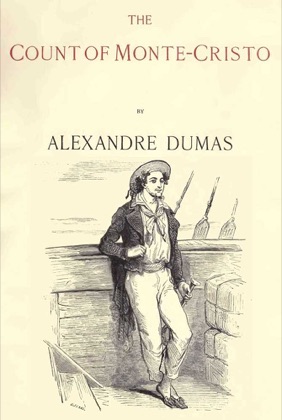
Young sailor Edmond Dantès is imprisoned after being betrayed by men who envy his happiness and prospects. A chance of escape and an extraordinary fortune allow him to return under a new identity, determined to confront those responsible.
Conversations sustain the plot, while formal social language and extended narrative descriptions add difficulty.
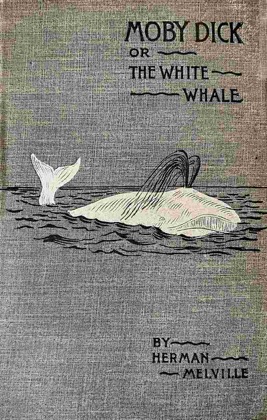
Ishmael joins the crew of the whaling ship Pequod, whose captain is consumed by his pursuit of the white whale Moby Dick. Their voyage becomes an increasingly dangerous struggle between Ahab's obsession and the lives of the men who follow him.
Nautical terms, biblical diction, elaborate imagery, and shifts into reflective prose demand close reading.
A cryptic message sends Professor Lidenbrock, his reluctant nephew Axel and their guide Hans beneath an Icelandic volcano. Their search for a route to the Earth's centre leads through dangerous caverns into an extraordinary underground world.
The adventure supplies context, but geological language and elaborate speculative sentences add difficulty.
After their father's death, sisters Elinor and Marianne Dashwood must build new lives with far less money. Their contrasting approaches to love are tested by unreliable suitors, family obligations and the difficulty of knowing whom to trust.
Long qualifying clauses and indirect accounts of emotion accompany relatively clear dialogue.
Lemuel Gulliver's voyages carry him to lands inhabited by tiny people, giants, eccentric scholars and rational horses. His encounters turn travel adventures into a sharp examination of human pride, political quarrels and the habits societies take for granted.
Formal eighteenth-century syntax, invented names, and indirect satire complicate the travel narrative.
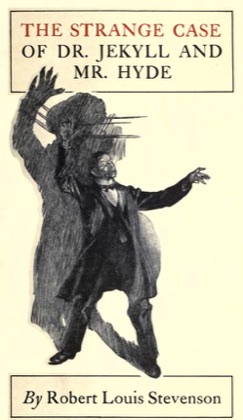
A London lawyer investigates the disturbing connection between the respected Dr Jekyll and a violent stranger named Mr Hyde. As troubling incidents accumulate, his search exposes a mystery about identity, secrecy and the darker impulses beneath a respectable life.
Formal descriptive vocabulary and abstract self-reflection make this short narrative linguistically demanding.
Robin Hood and his companions make Sherwood Forest their home, challenging officials and helping people in trouble. Disguises, archery contests and daring encounters bring together a band of outlaws whose loyalty and humour sustain their adventures.
Archaic speech forms and richly figurative descriptions make the adventure harder than its familiar plot suggests.
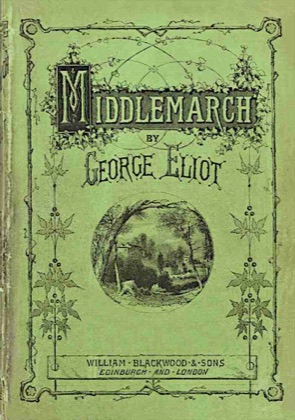
In a provincial English town, Dorothea Brooke longs for a meaningful life while an ambitious young doctor hopes to reform medicine. Their marriages and aspirations become entangled with money, politics and the expectations of a community where everyone's choices affect others.
Subtle social implications, abstract motives, and densely qualified narration require advanced reading.
Drawing teacher Walter Hartright meets a mysterious woman dressed in white before taking a position with two half-sisters. That encounter becomes the first clue in a suspenseful struggle involving a dangerous marriage, hidden identities and a carefully constructed conspiracy.
Layered witness accounts and long explanatory sentences accompany clear suspense and dialogue.
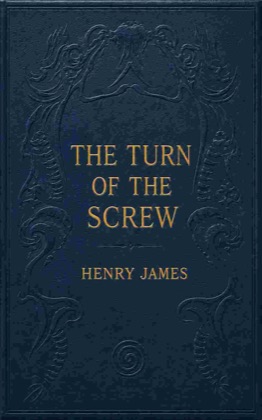
A young governess takes charge of two children at an isolated country house and begins seeing figures she believes threaten them. Her efforts to protect her pupils become entangled with uncertainty about the house's past and what the children really know.
Ambiguous motives, long syntactic detours, and understated implications demand careful interpretation.
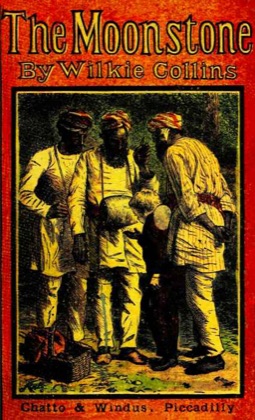
A valuable Indian diamond disappears from an English country house soon after arriving as a birthday gift. Relatives, servants and investigators recount their parts in a mystery shaped by suspicion, divided loyalties and the jewel's troubling history.
Multiple narrating voices, idiomatic reflections, and detailed reasoning require attention beyond the main events.
Sign in to add this title and keep your place.
Source and license
A level is a starting point.
These are approximate editorial reading guides, not certified CEFR assessments or a test of your proficiency. A classic’s range reflects this edition’s language; a short story’s label is its writing target. Familiarity with the subject and the help you use can change how a text feels.
You can read immediately once a title is in your Library. Translation, vocabulary checks, and chapter preparation are optional. Sign in to add a title and keep your place; account capacity and beta availability apply.