Alice follows a hurried White Rabbit down a rabbit hole and enters a world where size, language, and logic keep changing. Talking animals, an eccentric tea party, and the Queen of Hearts turn her search for a way onward into a delightfully bewildering adventure.
Concrete scenes and dialogue help, while wordplay, older spelling, and unusual situations add difficulty.
Enchanted forests, difficult promises, clever animals, and unexpected helpers fill this selection of the Brothers Grimm's fairy tales. Children and adults face tests of courage, honesty, and ingenuity, in stories that combine memorable transformations with both comforting rewards and sometimes unsettling punishments.
Familiar repeated plots and direct speech help, but older forms and literary past narration add difficulty.
Gregor Samsa wakes one morning to find himself transformed into a monstrous creature, yet his first worries concern work and his family's needs. Confined to his room, he watches his relationships change as the household struggles with dependence, fear, shame, and its new burdens.
Concrete events alternate with long embedded clauses and psychological implications.
Max and Moritz play seven increasingly outrageous tricks on the unsuspecting people around them. Told in lively rhyming verse and pictures, their mischief turns everyday village life upside down, combining comic invention with the prospect of a severe reckoning for the two troublemakers.
Short rhymed scenes help orientation, but inversion, older forms, and comic implication add difficulty.
Sent away by his hardworking father, a cheerful young man takes his violin and sets off to seek his fortune. His wandering brings him to grand houses, unfamiliar roads, and an alluring young woman, in a romantic adventure full of music, mistaken impressions, and unexpected turns.
Clear first-person events use literary phrasing, idioms, and extended subordinate clauses.
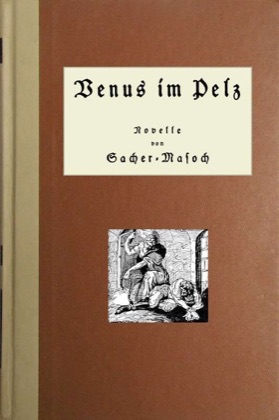
Severin persuades Wanda, the woman he adores, to become his commanding mistress and treat him as her servant. As they try to live out his fantasy, desire turns into an unsettling struggle over power, jealousy, and the distance between imagined love and lived experience.
Direct conversation helps, while psychological reflection and formal vocabulary add difficulty.
This collection brings together fairy tales in which children, animals, and travelers encounter magical help, dangerous bargains, and unexpected tests. Bechstein's stories mix familiar wonder with wit and darker consequences, exploring how kindness, resourcefulness, foolishness, or greed can alter a character's fate.
Repeated fairy-tale situations support reading, with older expressions and longer clauses to navigate.
Six stories named after different stones follow people whose seemingly quiet lives are tested by danger, loss, and unexpected encounters. Stifter's patient portraits of families, rural communities, and the natural world explore endurance and human connection, including the ordeal of children lost in the snow.
Concrete scenes help orientation, with detailed descriptions and literary sentence patterns.
During the Thirty Years' War, farmers on the Lüneburg Heath face raids, destruction, and the collapse of ordinary security. Harm Wulf and his neighbors organize their own violent resistance, in a historical narrative about survival, communal loyalty, and the brutal changes war brings to rural life.
Concrete rural scenes mix dialect, historical vocabulary, and figurative descriptions.
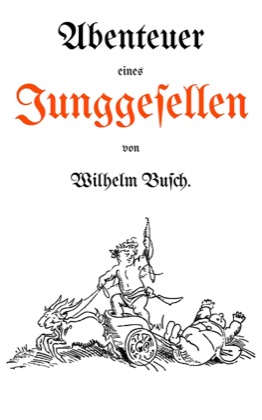
Worried about age and loneliness, the bachelor Tobias Knopp leaves home to visit old acquaintances. Their eccentric households and comic mishaps give him plenty to consider about friendship, marriage, and domestic life, in a lively illustrated verse story about his search for contentment.
Short verse scenes contain inverted word order, older forms, and comic implication.
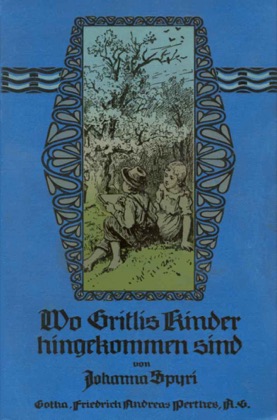
Elsli and Fani find their lives connected to a wealthy household on the Rhine and the children who live around it. New friendships, grief, and unfamiliar opportunities test their sense of belonging, in a story about finding care and purpose after hardship.
Clear family scenes help, while detailed descriptions and moral reflection extend the challenge.
Young Christine rescues a lamb during a storm while gathering berries to support her sick mother. Returning it to its owner sets a chain of encounters in motion, in a children's story about honesty, compassion, hardship, and the far-reaching effects of a small kindness.
Concrete events support reading, while old spelling and moral or religious reflection need support.
Sign in to add this title and keep your place.
Source and license
A level is a starting point.
These are approximate editorial reading guides, not certified CEFR assessments or a test of your proficiency. A classic’s range reflects this edition’s language; a short story’s label is its writing target. Familiarity with the subject and the help you use can change how a text feels.
You can read immediately once a title is in your Library. Translation, vocabulary checks, and chapter preparation are optional. Sign in to add a title and keep your place; account capacity and beta availability apply.